

Eye Care Expenses to Consider Before Year-End
As the year ends, many people are reviewing their healthcare benefits and looking for ways to make the most of their available funds. If you have a Flexible Spending Account (FSA) or Health Savings Account (HSA), this is a great time to see whether you have funds available for eligible eye care expenses.
From routine eye exams to prescription eyewear, your account may help cover key vision care costs while letting you take a more proactive approach to your eye health.

What Is the Difference Between an FSA and an HSA?
Although both accounts can help you pay for eligible healthcare expenses using tax-advantaged funds, they work a little differently.
Flexible Spending Account (FSA)
An employer generally offers an FSA. You contribute money from your paycheck, typically before taxes, to help pay for eligible healthcare expenses. Many FSAs have a deadline for using your funds, and unused money may be forfeited at the end of the plan year. However, some plans offer a grace period or allow a limited carryover.
An HSA is available to individuals who meet specific eligibility requirements, including having a qualifying high-deductible health plan. Contributions offer tax advantages, and unused funds generally roll over from year to year. This means you typically do not need to spend your HSA balance by December 31.
Understanding your account’s rules can help you plan ahead and avoid missing opportunities to use your benefits.
Which Eye Care Expenses May Be Eligible?
Your FSA or HSA may cover a variety of eligible vision-related expenses. Depending on your plan and the applicable rules, these may include:
- Comprehensive eye exams: Routine examinations help assess your vision and overall eye health.
- Prescription eyeglasses: New glasses or prescription lenses may be eligible expenses.
- Prescription sunglasses: Protect your eyes from the sun while correcting your vision.
- Contact lenses and related supplies: Eligible contact lenses and certain necessary supplies may be covered.
- Eye care copayments and deductibles: Qualifying out-of-pocket costs for medical eye care may be eligible.
- Medically necessary eye treatments and procedures: Certain treatments or procedures may qualify, depending on the service and applicable account rules.
Eligibility can vary based on the expense, your account type, and your plan’s requirements. Check with your benefits administrator or account provider before making a purchase.
Why Schedule an Eye Exam Before the End of the Year?
Using your healthcare benefits is about more than spending down an account. It is also an opportunity to prioritize your vision and eye health.
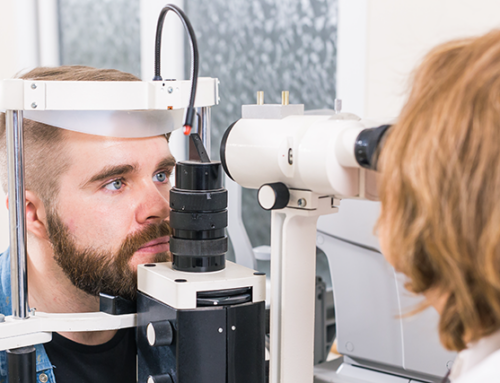
A comprehensive eye exam can help identify changes in your prescription and detect potential eye health concerns. Some conditions, including glaucoma, may develop without noticeable symptoms in their early stages. Regular eye care can help identify problems that may otherwise go unnoticed.
If you have been putting off an eye exam, experiencing changes in your vision, or wondering whether your prescription needs updating, now is a good time to make an appointment.
Even if your vision seems fine, routine eye care remains an important part of maintaining your overall health.
Don’t Let Your FSA Funds Go to Waste

If you have an FSA, review your remaining balance and check your plan’s deadline. Many accounts follow a calendar-year schedule, but your employer’s plan may have different rules. Some plans offer a grace period or limited carryover, so it is important to understand your specific benefits.
If you have an HSA, remember that unused funds generally carry over. Rather than feeling pressured to spend your balance, consider using your account for eligible eye care expenses when you need them.
A few simple steps can help you make the most of your benefits:
- Check your available FSA or HSA balance.
- Confirm your plan’s eligible expenses and deadlines.
- Review whether you need an eye exam or updated prescription.
- Schedule your appointment early to allow time for your visit and any recommended follow-up care.
- Keep receipts and any documentation required by your plan.
Prioritize Your Vision Before the Year Ends
Your eye health deserves attention throughout the year, and reviewing your FSA or HSA benefits is a helpful reminder to stay on top of your care.
At New York Medical & Surgical Eye Care, we provide comprehensive eye care to help patients protect their vision and address their individual eye health needs.
If you are due for an eye exam or have questions about your vision, we encourage you to schedule an appointment with our team.
Ready to prioritize your eye health? Contact New York Medical & Surgical Eye Care to schedule your appointment and learn more about our comprehensive eye care services.
Please note: This article is for general informational purposes only and is not tax or financial advice. FSA and HSA eligibility rules vary. Contact your account administrator or a qualified tax professional for guidance specific to your situation.