

What You Need to Know About Cataracts
June is Cataract Awareness Month — a time dedicated to educating patients about one of the leading causes of vision loss worldwide. Cataracts are extremely common, especially as we age, but the good news is that they are also highly treatable.
At New York Medical & Surgical Eye Care, Dr. Valeria Rubinstein is committed to helping patients recognize the signs of cataracts early and understand their treatment options so they can continue enjoying clear, healthy vision.
What Are Cataracts?
A cataract occurs when the natural lens inside the eye becomes cloudy over time. This clouding prevents light from passing clearly through the eye, leading to blurry or dim vision. Cataracts typically develop gradually and are most often related to aging, though other factors can increase the risk, including diabetes, smoking, prolonged UV exposure, eye injuries, and certain medications.
More than 25 million Americans over age 40 are affected by cataracts, and more than half of Americans will develop them by age 80.
Common Symptoms of Cataracts
Because cataracts usually develop slowly, many people may not notice symptoms right away. Over time, patients may begin to experience:
- Blurry or cloudy vision
- Increased glare or sensitivity to light
- Difficulty driving at night
- Faded or yellowed colors
- Halos around lights
- Frequent changes in eyeglass prescriptions
- Double vision in one eye
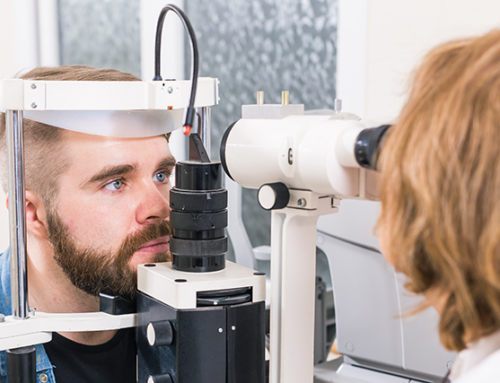
If any of these symptoms sound familiar, it may be time to schedule a comprehensive eye examination.
Cataract Surgery Can Restore Clear Vision
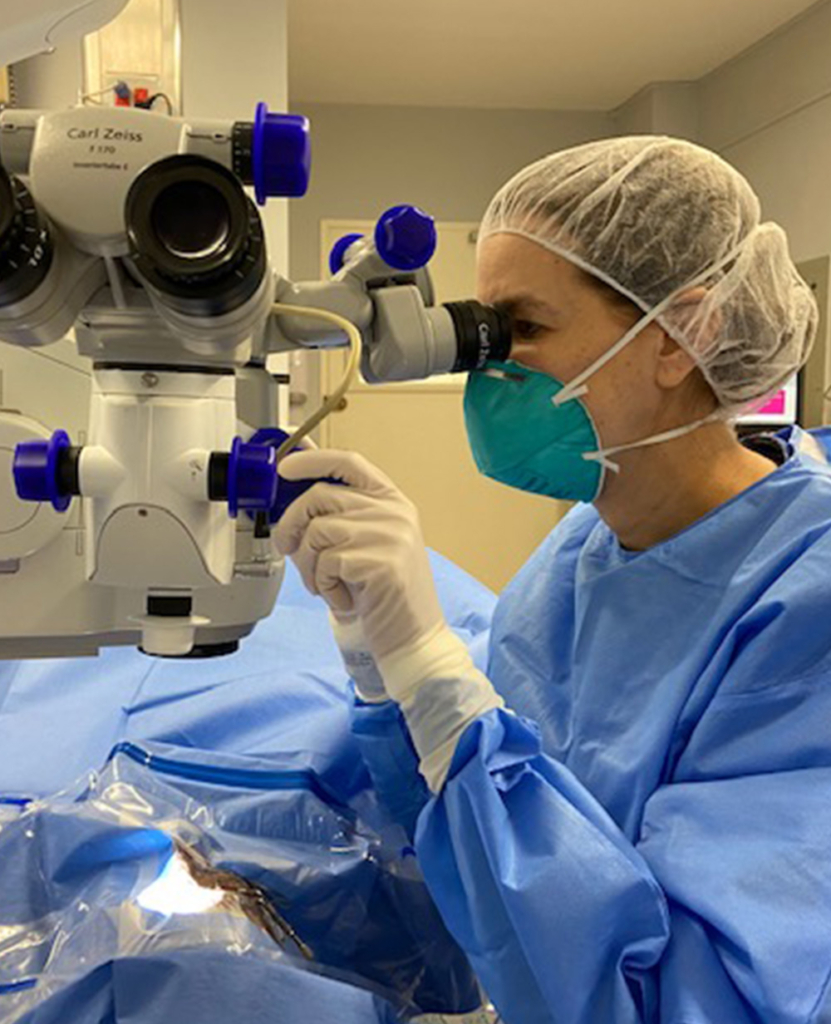
Fortunately, cataracts are highly treatable with modern cataract surgery. During this outpatient procedure, the cloudy natural lens is removed and replaced with a clear artificial intraocular lens (IOL). Cataract surgery is one of the safest and most commonly performed procedures in the United States, helping millions of patients regain clearer vision every year.
Many patients report improved quality of life after surgery, including easier reading, safer driving, and brighter, clearer vision.
Protecting Your Eye Health
While cataracts cannot always be prevented, there are several steps you can take to help protect your vision:
- Wear UV-protective sunglasses outdoors
- Maintain healthy blood sugar levels if you have diabetes
- Avoid smoking
- Eat a healthy diet rich in antioxidants and leafy greens
- Schedule regular comprehensive eye exams
Early detection plays an important role in maintaining healthy vision and determining the best time for treatment.
Schedule Your Eye Examination
This Cataract Awareness Month, take an important step toward protecting your sight. If you are experiencing blurry vision, glare, or difficulty seeing clearly, Dr. Valeria Rubinstein can help evaluate your eye health and discuss personalized treatment options.
To schedule an appointment with New York Medical & Surgical Eye Care, call (212) 242-2200 today.